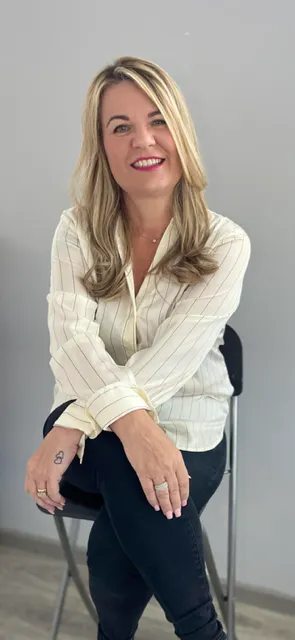
🌟 Hi, I’m Tracey! 🌟
I’m the founder of Trauma Shift, a Somatic Trauma-Informed Coach and a qualified Social Worker with many years of experience supporting people through difficult and challenging situations.
But Trauma Shift hasn't just grown from my professional experience. It has also grown from my own journey of trying to understand myself.
For many years, I didn't really understand why I responded to certain situations the way I did.
I could people-please, overthink, become anxious, angry or defensive, struggle to say no, take criticism personally and sometimes withdraw completely. At other times, I would put enormous pressure on myself to achieve and get everything right.
I knew what I was doing — but I didn't always understand why I was doing it.
And that's an important difference.
Understanding changed things for me
Over time, through my own personal development, professional experience and trauma-informed learning, I began to understand more about how our experiences can influence the way we respond to situations later in life.
I started looking at my behaviours differently.
Instead of asking:
“What's wrong with me?”
I became more curious:
“Why do I respond like this?”
That shift in thinking helped me recognise patterns that had developed over many years and understand why certain situations, relationships and experiences could bring out such strong reactions in me.
And importantly, understanding a behaviour doesn't mean excusing it.
It means becoming aware of it, understanding what might be underneath it and recognising that we may have more choice in what we do next.
Why I created Trauma Shift
I created Trauma Shift because I know how confusing it can be when you don't understand your own reactions.
You might find yourself:
people-pleasing even when you want to say no
overthinking conversations or worrying you've upset someone
becoming anxious, angry, defensive or overwhelmed
shutting down or withdrawing when things become difficult
struggling with boundaries
feeling responsible for other people's feelings
taking criticism very personally
putting enormous pressure on yourself to get everything right
repeating patterns in relationships, friendships or work that you don't really understand
Sometimes we know what we're doing. We just don't understand why.
That's where Trauma Shift comes in.
What is Trauma Shift?
Trauma Shift isn't about telling you who you should become.
It's about helping you understand why you feel, react and behave the way you do, and exploring how your experiences, emotions and learned patterns may be influencing the way you respond today.
My approach is built around three simple principles:
Awareness · Compassion · Growth
Awareness
Learning to notice your emotions, triggers, physical responses and behaviour patterns.
Compassion
Becoming curious about those responses rather than immediately judging yourself for having them.
Growth
Exploring what you might want to do differently and beginning to make small, meaningful changes that feel right for you.
The aim isn't to become a completely different person.
It's to notice sooner, understand more, judge yourself less and have greater choice in what you do next.
Working with me
I offer a safe, supportive and non-judgemental space where we can explore what's happening for you.
We might look at patterns within your relationships, friendships, family, work or simply how you feel about yourself.
I won't tell you what you should do or assume that everything you're experiencing is because of trauma.
Instead, we'll become curious about what's happening, what may be influencing your responses and what small changes could help you feel more confident and in control of the choices you make.
A little bit about me
Outside of Trauma Shift, I'm a wife, mum and very proud Nanna. ❤️
I'm not approaching this work as somebody who has everything figured out. I'm someone who has learnt a great deal professionally and personally about the value of understanding ourselves.
I still recognise old patterns in myself from time to time.
The difference is that now I'm much more able to notice them, understand them and decide what I want to do next.
And for me, that's what Trauma Shift is really about.
You don't have to change everything to create a shift
Sometimes the first change is simply recognising something you've been doing for years and asking:
“I wonder why I do that?”
That awareness can be the beginning of something different.
Small shifts can create meaningful change.
If you're ready to understand yourself and your responses a little better, I'd love to have a conversation with you.